
Monetizing Online Communities: Building Sustainable Value through Paid Memberships and Events

Online communities have evolved from simple forums into hubs for connection, advocacy, and growth that unite members across causes, campuses, industries, and shared passions. For many, the critical challenge is long-term sustainability. Monetization, through paid memberships and paid events, can provide that stability, transforming active engagement into consistent, measurable value for both the community and its members.
The goal isn't merely to generate revenue; it's to deepen participation, reinforce belonging, and ultimately fund superior experiences. Done correctly, monetization strengthens community culture and enhances value rather than compromising it.
1. The Monetization Mindset: Value First, Revenue Second
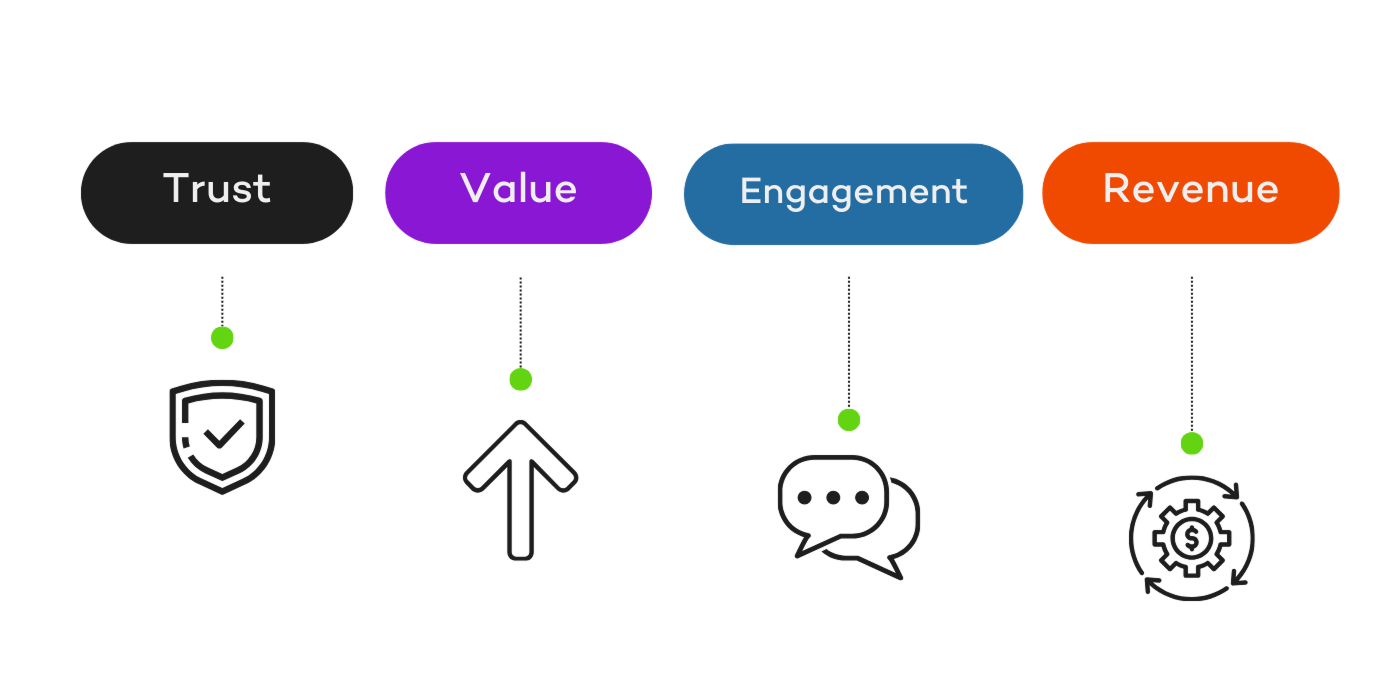
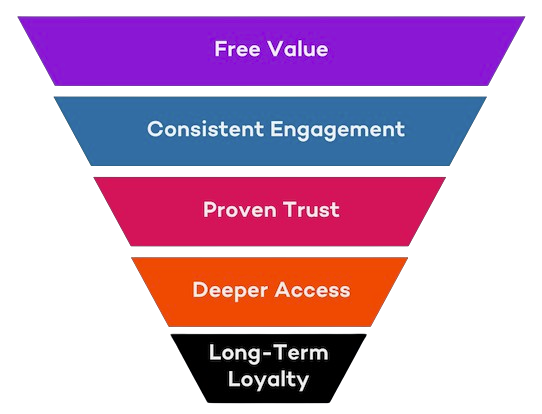
Monetization should never feel like an abrupt paywall. The most successful communities prioritize building trust and demonstrating reciprocity *before* introducing payment models. When members consistently recognize the tangible value they receive, they are significantly more likely to contribute financially.
Guiding principles for ethical monetization:
* Lead with impact: Provide quality content, expert insights, or valuable connections.
* Be transparent: Clearly communicate what paid access enables and why it matters.
* Demonstrate benefits: Allow members to experience and understand the value proposition before asking them to pay.
* Enhance, Don’t Restrict: Paid options should extend the core community experience, not hobble the free version. Ensure the free tier remains valuable for growth and recruitment.
Mini case study: The NPO, The World Wildlife Fund (WWF), leverages its donor membership program by demonstrating outcomes from member contributions. Paid participation is framed as a purpose-driven act that directly funds conservation, moving it beyond a mere transaction. (Source: WWF Annual Impact Report, 2024.)
The essence of sustainable monetization is clarity. When members understand that paid access directly funds better tools, richer events, or stronger moderation, they don’t perceive it as a transactional demand. They see it as a valuable contribution to a collective asset that genuinely matters to them.
2. Mapping Your Strategy: The Four Core Membership Models
Choosing the right membership model is foundational to your long-term revenue strategy. The ideal structure depends on your community's maturity, the perceived value of your content, and audience expectations.
| Model | Description | Strengths | Challenges |
|---|---|---|---|
| Free | 100% open access to basic features and content. | Maximizes top-of-funnel reach and facilitates rapid early growth. | No direct revenue; retention often requires deeper engagement methods. |
| Freemium | Free core features with optional paid upgrades. | Converts through experience; provides a clear upgrade path. | Requires a balance between free and paid value to drive conversion. |
| Paid (single-tier) | All members pay one flat fee for full access. | Simple, predictable recurring revenue; fosters strong, tight-knit trust. | Requires very high perceived value to justify the initial entry barrier. |
| Tiered | Multiple paid levels (e.g., Standard / Pro / VIP) | Captures diverse budgets and needs; allows for progressive value. | More complex to manage and communicate; potential for "tier envy" or confusion. |
Free and freemium approaches excel at early community growth and audience building. Paid or tiered structures are best implemented once your community has established its reputation, proven its unique value proposition, and built a loyal base. The optimal model must always align with your community's mission, not just your revenue targets.
Mini case study: Patagonia initially established their Worn Wear community as a free educational hub focused on sustainability. As the community developed, Patagonia introduced paid workshops, exclusive educational content, and repair clinics, and ensured that the new revenue directly supported the brand’s circular economy initiatives and deepened engagement. (Source: Patagonia Sustainability Report, 2024.)

3. Paid Events: More Than Revenue Drivers
Paid events, whether in-person gatherings, online workshops, or hybrid experiences, extend your community’s value proposition into live interactions. They are not merely income opportunities; they are catalysts for deeper connection and knowledge sharing.
To maximize the impact of paid events:
* Align with member interests: Design events that directly cater to the specific needs and desired outcomes of your member base and potentially different membership tiers.
* Offer hybrid formats: Balance the exclusivity of live attendance with the inclusivity and accessibility of virtual participation.
* Bundle event perks: Integrate event access or discounts within higher-tier memberships to significantly increase perceived value and membership upgrades.
Robust event strategies reinforce the heartbeat of a community. They create shared experiences, generate user-generated content, and re-energize engagement between major launches or programming cycles. The most effective events pay dividends both financially and culturally, strengthening long-term loyalty and member advocacy.
Mini case study: The Stanford Alumni Association uses paid events (ticketed reunions, regional meetups, travel programs) to fund its wide array of free digital programs and university initiatives. The cost is justified by the exclusivity and networking power derived from the shared experience. (Source: Stanford Alumni Association Annual Review, 2023.)
4. Measuring Monetization ROI
Successful community monetization is inherently measurable. Tracking key performance indicators (KPIs) allows you to continuously refine pricing, enhance offers, and justify ongoing investments.
| Metric | Why it Matters | Benchmarks |
|---|---|---|
| Retention Rate | Loyal, long-term members are significantly more profitable. | 5% higher retention → increase 25% profit |
| Free → Paid Conversion | Measures the efficiency of upgrading free users to paying members. | 2–5% typical across SaaS and membership models. |
| CLV vs. CAC | Ensures long-term profitability by comparing Customer Lifetime Value to Customer Acquisition Cost. | Paid members are often 3× CLV |
| Event ROI | Balances event costs against the revenue and cultural impact generated. | Margins vary widely by format and scale; hybrid delivery can increase costs materially until fixed costs are covered. |
| Engagement KPIs | Predicts monetization readiness and overall community health. | Posts/comments per user, event/challenge participation, direct message volume |
When communities consistently measure both financial performance and core engagement metrics, they gain the crucial visibility needed to make data-backed decisions and sustain robust growth over time.
Mini case study: The American Marketing Association (AMA) tracks outcome metrics alongside revenue. They discovered a 30% increase in annual retention among members who participated in at least one ticketed professional learning event per year. This validated that the ROI of paid events goes far beyond ticket sales; it secures membership longevity. (Source: AMA Membership Report, 2023.)
5. Transitioning from Free to Paid
Introducing payment into a previously free environment can be a sensitive undertaking, but it is achievable with thoughtful communication and execution strategy. Members are generally open to monetization when they fully understand the "why" behind it and clearly perceive the added value.
Best practices for a smooth transition:
* Announce changes transparently: Clearly explain that new revenue directly supports growth, enables significant improvements, or creates exclusive experiences.
* Introduce paid access gradually: Begin with small premium features, exclusive content, or early access instead of a full paywall.
* Offer trial periods or discounted entry: Allow existing members to experience the enhanced benefits before committing financially.
* Reward loyalty: Provide existing users with early access, grandfathered rates, or special discounts as a thank you.
* Gather and apply feedback: Members who feel genuinely heard and whose input is considered are far more likely to embrace the transition.
A well-managed shift from a free to a paid model often strengthens a community. It signals maturity, professionalism, and long-term commitment, qualities that attract members and significantly reduce churn.
Mini case study: The Financial Diet, a financial education media company, built years of trust through free, valuable content. When they introduced paid memberships (offering private workshops and dedicated Q&A access), the move was embraced because the paid features enhanced rather than replaced the existing free resources, establishing the paid tier as the natural next step for learners. (Source: The Financial Diet Creator Update, 2023.)
6. Ethical and Operational Pitfalls
Even well-intentioned monetization can backfire if executed poorly. Be vigilant against common pitfalls:
* Overpromising: Clearly define what paid members will receive and deliver on those promises.
* Rushing monetization: Prioritize building substantial value and fostering engagement before introducing charges.
* Ignoring free users: Remember that free tiers serve as a vital pipeline, nurturing your future paid members and community advocates.
* Neglecting data: Without consistently tracking engagement, conversion rates, and retention, you cannot effectively iterate or optimize your strategy.
* Lack of transparency: Any perception of hidden fees or unclear value erodes trust.
Ultimately, monetization should *enhance*, not exploit, your community. The overarching goal is to create an alignment between financial goals and member satisfaction.
7. Turning Monetization into a Growth Engine
A well-designed monetization strategy isn't a one-time launch; it's a continuous, cyclical system. By strategically integrating membership fees and event revenue streams, communities can fund reinvestment, driving the development of new features, enabling better experiences, and supporting richer, more impactful programming.
The most resilient and thriving communities view revenue not as an endpoint, but as a means to reinvest in and elevate member engagement. Each subscription, ticket sale, or tier upgrade becomes a renewed commitment to the community’s collective success and long-term vitality.
Conclusion
Monetization isn't about simply selling access; it's about creating pathways for deeper participation, fostering greater value, and ensuring the long-term sustainability of your community. By aligning your pricing models with member value, communicating with transparency, and measuring what matters, you can build a thriving ecosystem that benefits every member involved.

