
Reclaiming Digital Sovereignty: 5 Strategic Indicators You’ve Outgrown Traditional Social Platforms
For years, the playbook was simple: if you wanted to build a community, you went where the people were. It was free, it was familiar, and it was easy. But the "rent" on mainstream platforms has gone up. Between ever-changing algorithms hiding your posts and the constant noise of the "attention economy," organizations are finding that their most valuable asset, their people, is being held hostage by platforms they don't control.
How do you know if you’ve outgrown the land of traditional social media? Here are five unmistakable signs that it’s time to build a dedicated digital home for your community.
1. The "Ghost Town" Effect (Despite Growing Numbers)
You post an important update or a resource, and 48 hours later, the analytics show that only 3% - 5% of your followers saw it. On mainstream platforms, you aren't just competing with other organizations; you’re competing with breaking news, viral trends, and an algorithm designed to keep users scrolling, not connecting.
The Sign: You have a follower base, but your "Total people reached" is stagnant or declining.
The Fix: You shouldn't have to "pay to play" to reach your own people. A dedicated platform guarantees visibility. Features like pinned posts and push notifications ensure your members actually see what matters and drive them back into the community.
2. You Can’t Prove the Value (The Data Black Box)
Who are your "super members"? Which initiatives are actually driving retention? If you rely on social media, you are likely stuck with vanity metrics such as likes and total followers, which offer minimal insight into the individual member experience.
The Sign: You are under pressure to optimize spending and prove ROI, but the data you have access to is inadequate to make those decisions.
The Fix: Real growth requires real data. Moving to your own platform allows you to centralize your data and access pre-made analytics dashboards. You can finally assess true KPIs, like feature usage rates and 30-day active users, to understand what your members actually need.

3. You Want a "Home," Not Just a Feed
On a traditional social media platform, your community looks identical to every other group. You have a banner and a logo, but the user experience is dictated by the platform's colors, ads, and algorithms. It feels prescriptive, not personal.
The Sign: You struggle to build a unique brand identity or a true sense of belonging because the environment feels generic.
The Fix: Your community deserves a "digital home" that reflects your brand, not a tech giant's. A customizable, branded experience signals to your members that they are entering a space designed specifically for them.
4. You Crave Quality Over Quantity
Social media is designed for mass scale, often attracting trolls or passive observers. But meaningful communities thrive on safety, shared purpose, and active participation.
The Sign: You are hesitant to share deeper updates or host vulnerable conversations because you can't control who sees them or how they are moderated.
The Fix: Sovereignty. When you own the platform, you set the culture. You create the guidelines that allow genuine, meaningful connections to flourish.
5. The "Frankenstein" Tech Stack is Burning You Out
Mainstream platforms are built for scrolling, not for mobilizing. If you want to host an event, manage a volunteer group, and collect donations or fees, you likely have to stitch together a variety of tools. This scatters your community's attention and increases your workload.
The Sign: Your administrative overhead is high because you are managing disparate tools for events, chats, and payments.
The Fix: Consolidate to grow. A turn-key solution reduces the administrative overhead required to maintain your digital presence. By offloading development and account management to a community platform, you free up your team to focus on connection, not tech support.
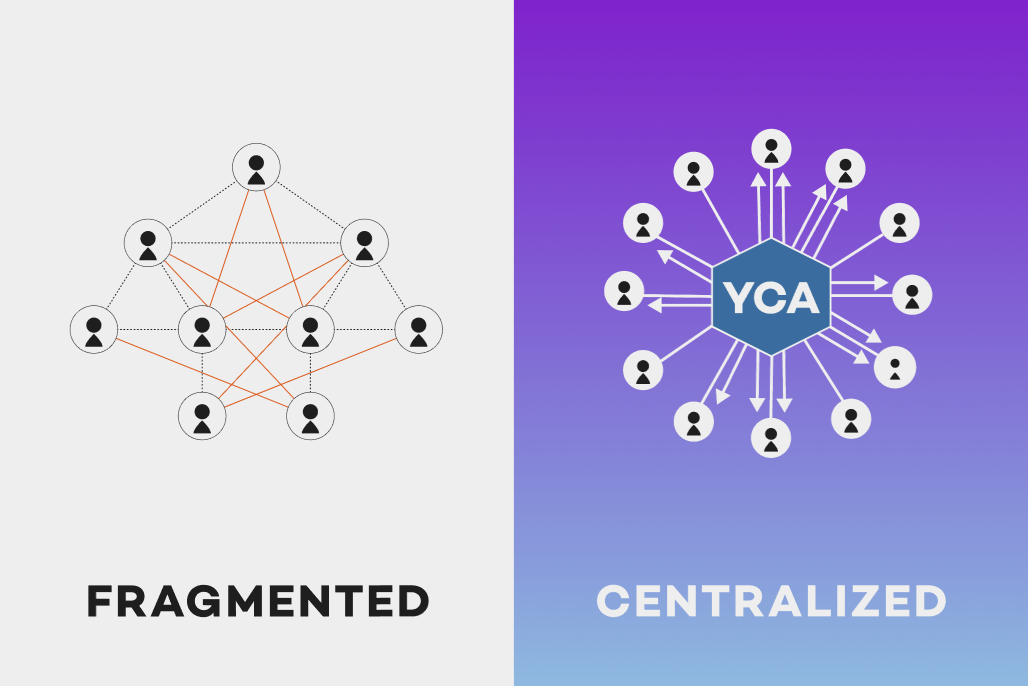
Conclusion: It’s Time to Own Your Growth
Social media was likely the right place to start your community, but the signs are clear that it is no longer the right place to grow it.
If your organization is feeling the friction of the "Ghost Town" effect, struggling with a "Frankenstein" tech stack, or flying blind without real data, it isn’t a sign of failure. It is a sign of success. It means your community has outgrown the limitations of traditional social media.
Moving to Your Community App is about graduating from a platform that treats your members like users to a digital home that treats them like people. It is the shift from fighting for attention to building genuine connection; from renting a feed to owning your future.
You have built the community. Now, give them the home they deserve.
Request a Demo Today. If you are curious to see what that future could look like for your community, we invite you to take a closer look. Let’s connect for a walkthrough to explore the possibilities together.

